"VA APPROVED STATE CERTIFIED CONTRACTOR" "30 YEARS OF EXPERIENCE."
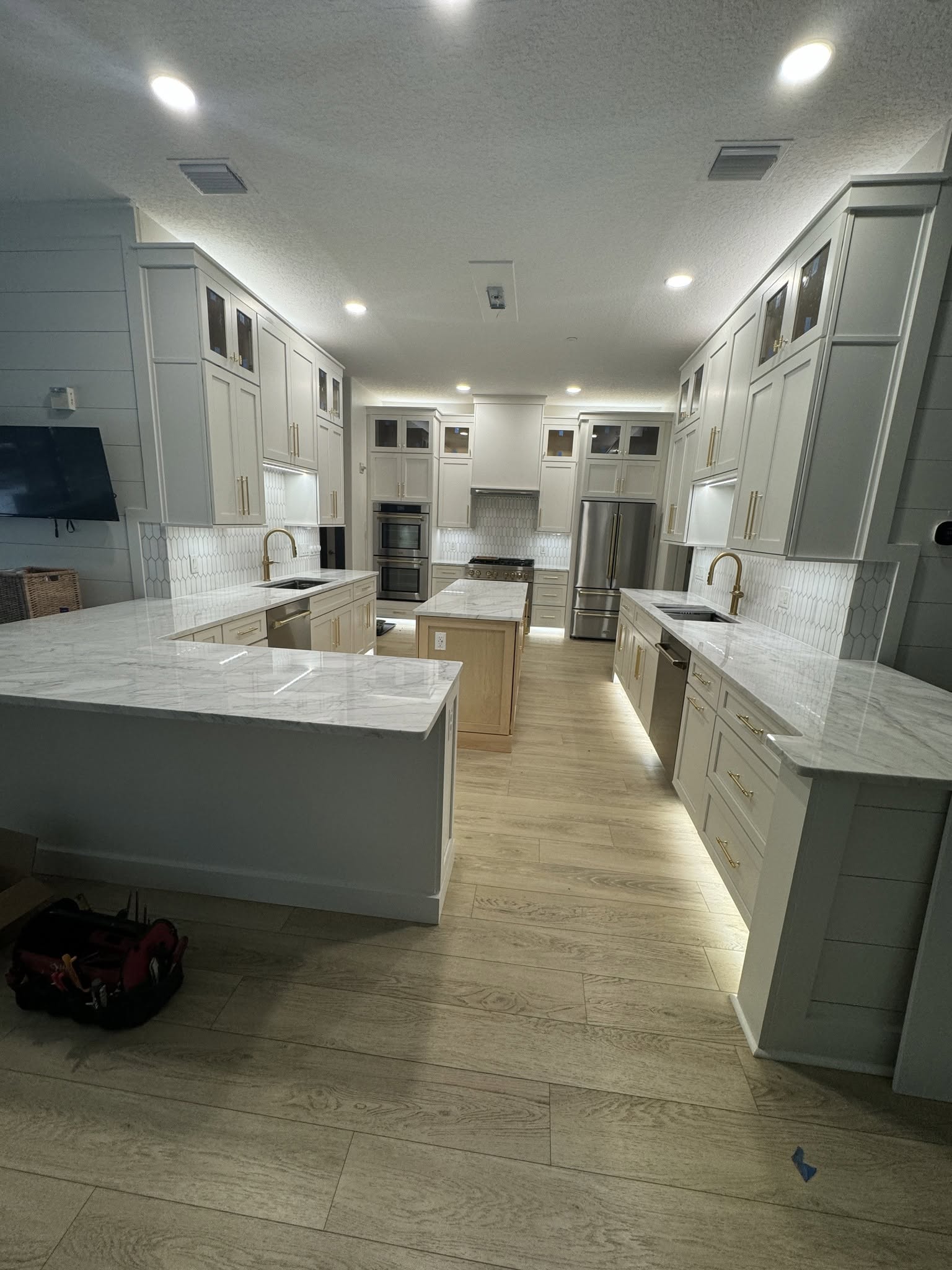
You have your heart set on that Pinterest-worthy kitchen upgrade. Maybe you’re dreaming of an open-concept island where friends can gather, sleek quartz countertops, or custom tile work that completely transforms your space. But before you swing that sledgehammer or hire a handy neighbor to rip out your cabinets, there is one crazy, high-stakes legal reality every Florida homeowner needs to know about: the unpermitted renovation trap.
While it is easy to assume that cosmetic changes or quick DIY fixes behind the scenes are no big deal, Florida’s building codes and insurance landscape don’t play around. In the Sunshine State, skipping a municipal permit for a kitchen remodel isn’t just a minor shortcut—it’s a gamble that could legally invalidate your homeowners insurance, cost you thousands in fines, or completely derail a future home sale. Let’s dive into why your dream kitchen project needs to start with a trip to the local building department.
It is easy to fall into the trap of thinking that a kitchen is just a collection of movable parts—cabinets, appliances, and countertops. But the moment a renovation moves past hanging a picture frame or swapping out decorative cabinet hardware, you cross the line into regulated territory.
Under the Florida Building Code, any work involving structural alterations, electrical wiring modifications, plumbing changes, or mechanical ventilation requires formal permits and inspections. Here is what catches most DIYers and well-meaning homeowners off guard:
Plumbing Shifts: Moving a kitchen sink even a few inches to accommodate a new cabinet layout, or cutting into a slab/subfloor to plumb an island water line or drain, requires a licensed plumbing permit.
Electrical Upgrades: Upgrading your outlets to meet modern code (such as adding GFCI protection near wet areas), wiring dedicated circuits for high-draw appliances like a double oven or air fryer tower, or hardwiring under-cabinet lighting all require electrical permits.
Structural Modifications: Knocking down a partial wall to create an open-concept pass-through or breakfast bar can accidentally compromise load-bearing structures, requiring engineered plans and a structural permit.
Skipping these steps might save you a few hundred dollars in municipal fees upfront, but it turns your new kitchen into a ticking legal time bomb. If a code enforcement officer spots contractor trucks in your driveway or a neighbor reports unpermitted work, you can face stop-work orders, steep daily fines, and the dreaded mandate to rip open brand-new drywall so an inspector can look at pipes and wires you just finished sealing up.
Perhaps the wildest and most costly consequence of unpermitted kitchen work isn’t getting caught by code enforcement—it’s what happens when disaster strikes years down the line.
Homeowners insurance policies are designed to protect you from sudden, accidental damage like a kitchen fire or a major pipe burst. However, most standard policies contain hidden exclusions or clauses regarding construction negligence and code compliance. If a slow leak from an unpermitted plumbing line ruins your new subfloor, or an overloaded circuit installed without a permit sparks an electrical fire, your insurance company has a massive legal loophole: they can deny your claim entirely.
Adjusters and investigators look closely at municipal records after major property losses. If they discover that the origin of the damage trace back to unpermitted, uninspected work, they can argue that the installation failed to meet Florida building standards, leaving you completely on the hook to finance thousands of dollars in repairs out of pocket.
Navigating the labyrinth of Florida building codes, pulling the right permits, and making sure your insurance policy won’t leave you high and dry doesn’t have to be a solo mission. When you are investing time, money, and care into a kitchen remodel, you need a partner who knows the local regulations inside and out.
For over 30 years, Home Repair Contractors, Inc. (HRC) has been helping homeowners across Central Florida turn their kitchen visions into reality—the right way. As a trusted, family-owned and operated local team serving Seminole, Orange, Lake, and surrounding counties, HRC takes the guesswork and legal risk completely off your plate.
Whether you are looking to design a brand-new custom kitchen layout, move plumbing lines for an open-concept island, or safely upgrade electrical wiring, HRC handles the entire process from concept to code-compliant completion. With decades of hands-on experience and a steadfast commitment to transparent, high-quality craftsmanship, they ensure your project passes every inspection with flying colors—protecting both your home’s value and your peace of mind.
Don’t let the permit red tape stall your dream renovation.